Who it's for
Common Michigan brand archetypes: consumer health, sports nutrition, natural wellness. Active metros include Detroit, Grand Rapids, Ann Arbor. Brand owners here evaluate gummies as a launch format.
Configure, sample and produce your supplement range in one place.
Michigan brand owners cover consumer health, sports nutrition and natural wellness, with active DTC operators across Detroit and Grand Rapids. Pectin-based supplement gummies — the mature DAT Supply format. Used across daily wellness, beauty, sleep and kids ranges.
Common Michigan brand archetypes: consumer health, sports nutrition, natural wellness. Active metros include Detroit, Grand Rapids, Ann Arbor. Brand owners here evaluate gummies as a launch format.
Pectin-based supplement gummies — the mature DAT Supply format. Used across daily wellness, beauty, sleep and kids ranges.
Open a product below, order a sample, then place your order in your DAT Supply account — serving brands in Michigan, including Detroit.
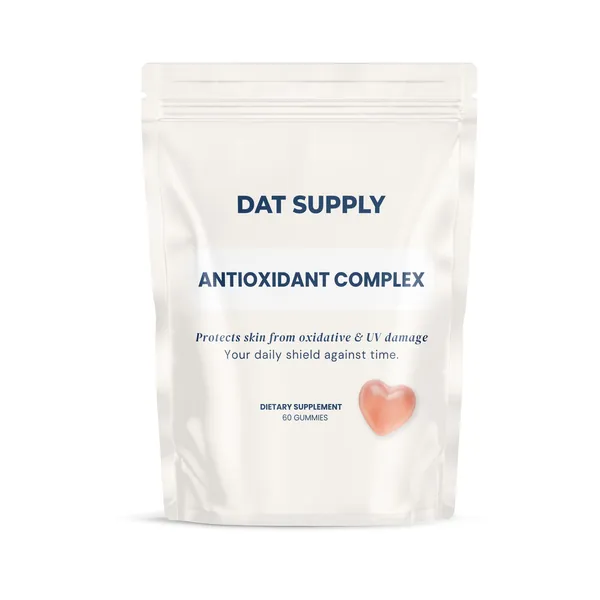
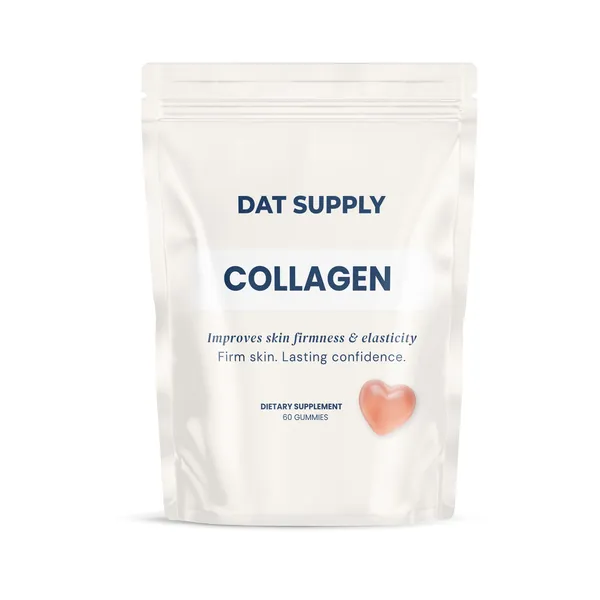
Gummies · Beauty & Skin
Minimum order 1,000 units
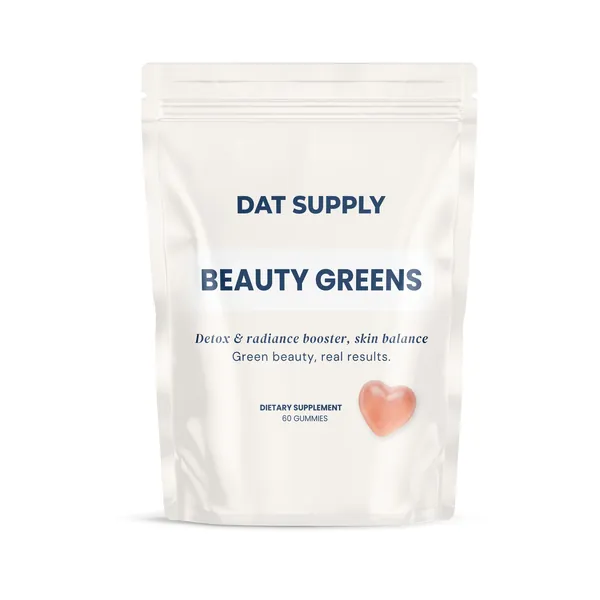
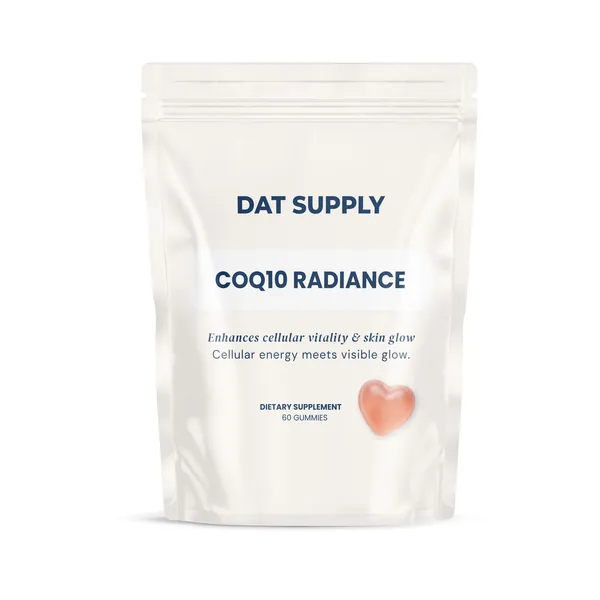
Gummies · Beauty & Skin
Minimum order 1,000 units
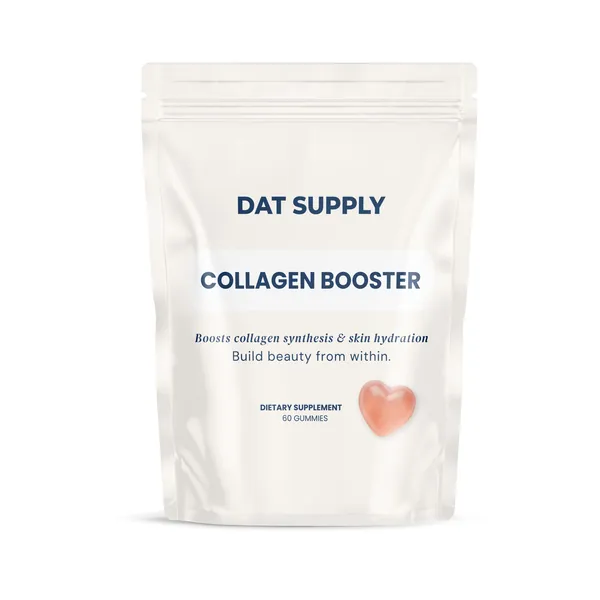
Gummies · Beauty & Skin
Minimum order 1,000 units
From 1,000 units
Production milestones and documentation are coordinated remotely so Michigan brand owners stay informed throughout each project. Standard production lead time is approximately 8 weeks after formula/specification, artwork and payment are approved. Shipping/transit is additional.
Michigan has Lansing as its capital and Detroit as its largest commercial city, serving a population of 10 million. Key cities include Detroit, Grand Rapids, Ann Arbor, Lansing. The state's distinctive supplement footprint is anchored around the Detroit metro DTC cluster and Grand Rapids natural-products retail corridor. On the supplement industry signal: Amway HQ (Ada/Grand Rapids) — anchor of US direct-sales supplement industry. Michigan is a strong Midwest natural-products retail market. For brand owners briefing DAT Supply, Michigan is treated as a US-market launch operating under federal DSHEA rules: the brand owner is the responsible label holder, the product is manufactured under 21 CFR Part 111 quality-managed manufacturing rules, and any state-specific labelling (the most common being California Prop 65) is reviewed at the artwork gate. Logistics typically run through the Port of Detroit (Great Lakes intermodal access), which DAT coordinates as part of a single project alongside manufacturing, documentation and ingredient sourcing. Where the brand owner has multi-state ambitions, neighbouring markets are listed in the internal links below for a single artwork project covering the wider region.
Michigan carries a longer supplement-industry lineage than most states — Amway's Ada/Grand Rapids headquarters anchors the US direct-sales channel, and that history still shapes the state's commercial texture alongside a newer Detroit-metro DTC scene and a Grand Rapids natural-products retail corridor. A gummy range built for Michigan often has to work across more than one selling model at once: direct-sales-style catalogue selling, modern retail shelf placement, and online DTC.
The federal picture stays flat across all three channels. Supplement labelling and claims follow the same federal rules whether a Michigan brand sells through a direct-sales network, a Grand Rapids retail account, or a Detroit DTC storefront — there's no state filing step layered on top, and label-claim compliance remains the brand owner's job in every case, however the range eventually reaches a shopper.
Direct-sales and catalogue-style ranges historically lean on broad, easy-to-explain daily positions: Ashwagandha, Berberine and Bone & Joint gummies each carry a one-line benefit that a catalogue rep can repeat without a script. Grand Rapids-style retail placement favours shelf-recognisable beauty concepts — Acne Control, Anti-Aging Antioxidant, Beauty Greens — where the front-of-pack claim has to do the selling with no rep involved, since a shelf shopper rarely gets the benefit of a spoken pitch.
Detroit's DTC scene has more room for a specific, discovery-driven pitch: Adaptogen Focus, Caffeine Focus and Calm & Concentration gummies each target a narrower need a shopper searches for directly, and Brain Mushroom's multi-active nootropic formula works as a differentiator once the core DTC range is established rather than as the opening SKU. Picking the wrong channel-to-concept match early tends to cost more time than it saves.
Pick the primary selling model before shortlisting a Michigan gummy range: direct-sales, retail or DTC each favour a different opening concept, and sampling should follow that choice.
Amway's Ada/Grand Rapids headquarters gives Michigan a direct-sales heritage most states don't have, and that history still coexists with a modern Detroit DTC scene and a Grand Rapids retail corridor. A Michigan range often has to work across more than one of these selling models.
No — labelling and claims follow the same federal framework regardless of whether the range sells through direct-sales, retail or DTC channels. There's no Michigan-specific filing step, and compliance ownership stays with the brand owner in every channel.
Retail placement favours shelf-recognisable beauty concepts like Acne Control, Anti-Aging Antioxidant and Beauty Greens, where the label does the selling. Detroit's DTC scene has room for narrower positions — Adaptogen Focus, Caffeine Focus, Calm & Concentration — that a shopper searches for directly.
Ashwagandha, Berberine and Bone & Joint gummies each carry a simple, one-line benefit that translates well to catalogue-style selling. They're a better opening set for that channel than a multi-active formula like Brain Mushroom, which suits a more established DTC range instead.
Personalization covers approved flavour, colour and shape choices on the current formula. A change to the active ingredients, their amounts, or the claims made moves the project into Formula Adaptation.
Pick a product, choose your quantity and packaging, and see your price — serving brands in Michigan.