Who it's for
Common Massachusetts brand archetypes: clinical and academic, women's health, premium wellness. Active metros include Boston, Worcester, Springfield. Brand owners here evaluate gummies as a launch format.
Configure, sample and produce your supplement range in one place.
Massachusetts is anchored by a clinical and academic ecosystem with strong women's health, premium wellness and DTC supplement brand activity. Pectin-based supplement gummies — the mature DAT Supply format. Used across daily wellness, beauty, sleep and kids ranges.
Common Massachusetts brand archetypes: clinical and academic, women's health, premium wellness. Active metros include Boston, Worcester, Springfield. Brand owners here evaluate gummies as a launch format.
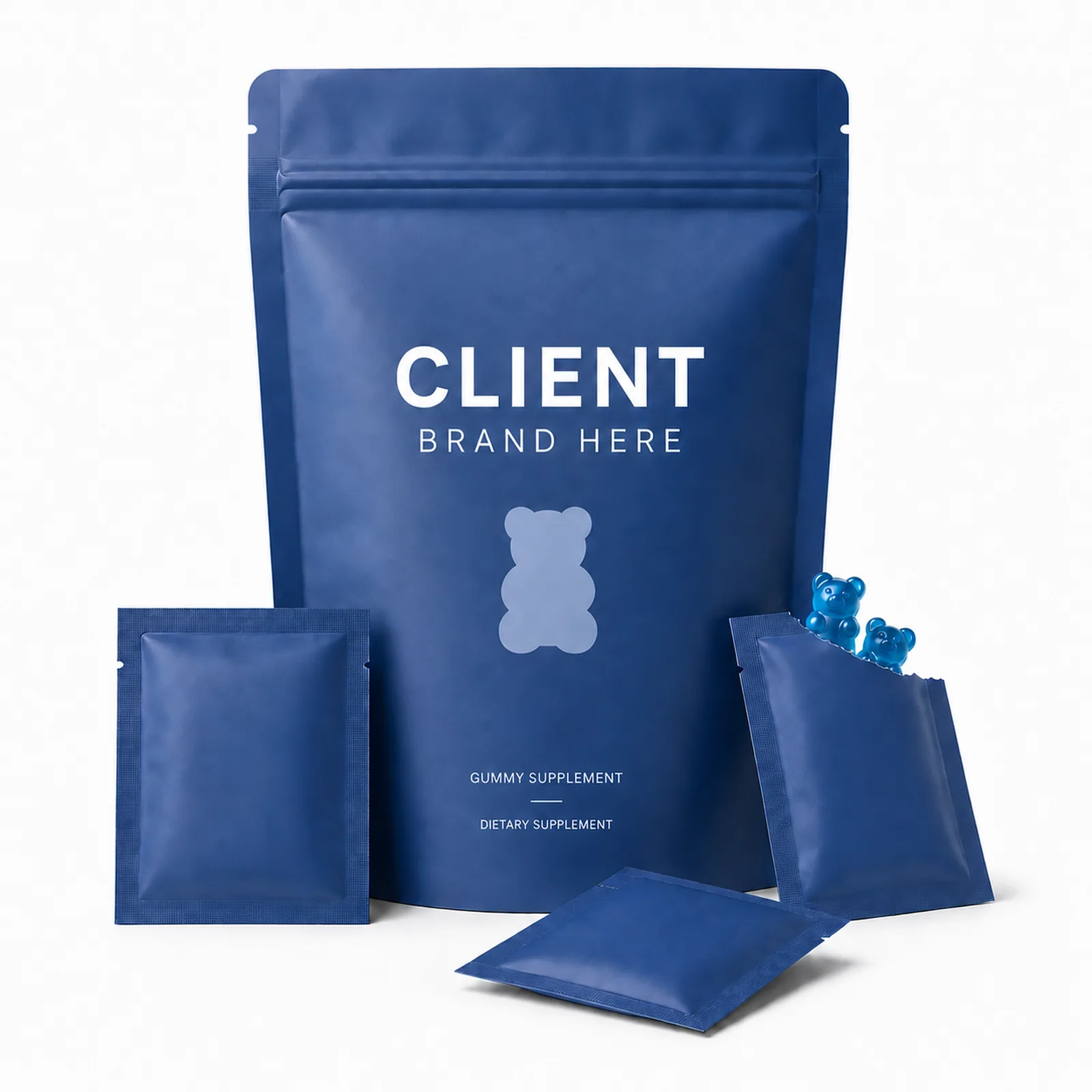
Pectin-based supplement gummies — the mature DAT Supply format. Used across daily wellness, beauty, sleep and kids ranges.
Open a product below, order a sample, then place your order in your DAT Supply account — serving brands in Massachusetts, including Boston.
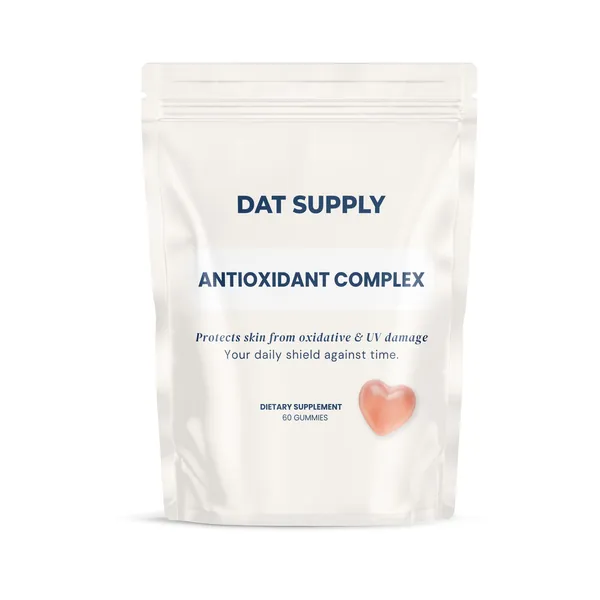
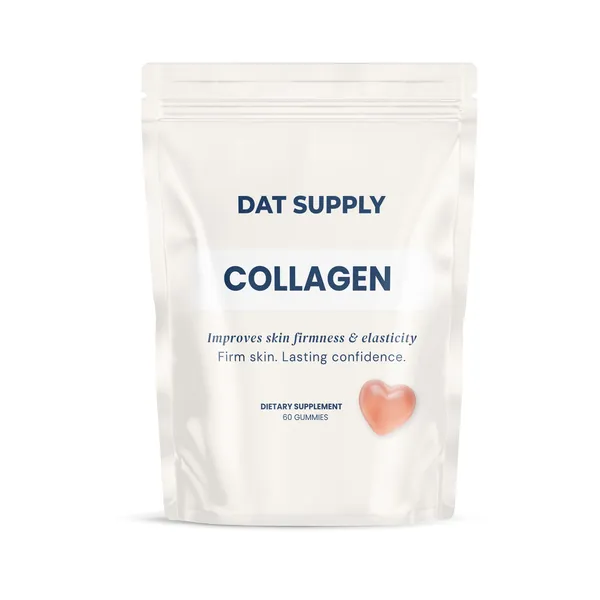
Gummies · Beauty & Skin
Minimum order 1,000 units
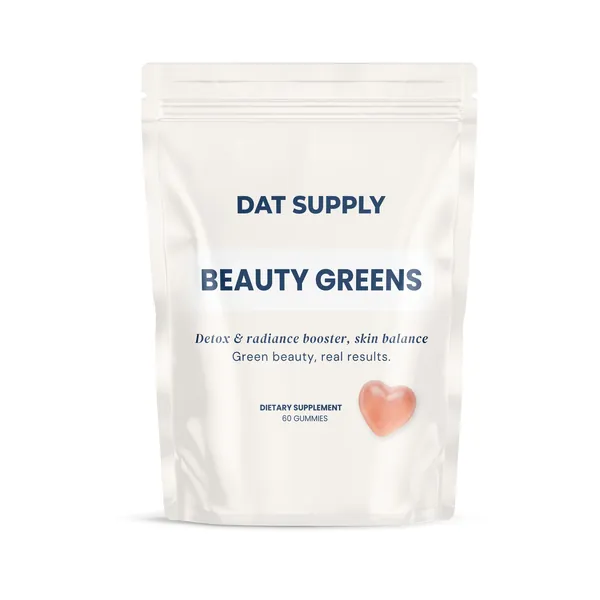
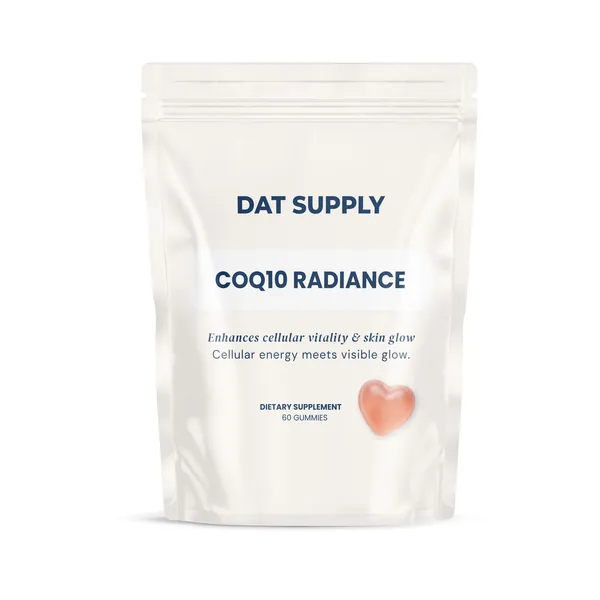
Gummies · Beauty & Skin
Minimum order 1,000 units
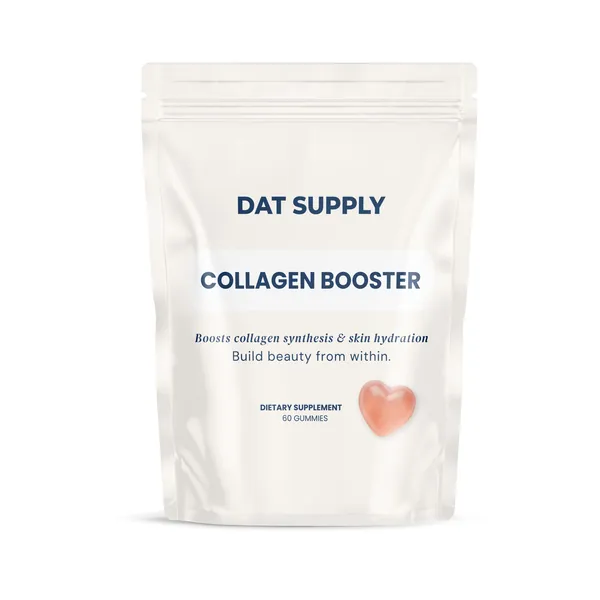
Gummies · Beauty & Skin
Minimum order 1,000 units
From 1,000 units
Brand teams collaborate with DAT Supply remotely on documentation, sample rounds and production scheduling. Standard production lead time is approximately 8 weeks after formula/specification, artwork and payment are approved. Shipping/transit is additional.
Massachusetts has Boston as its capital and Boston as its largest commercial city, serving a population of 7 million. Key cities include Boston, Cambridge, Worcester, Springfield. The state's distinctive supplement footprint is anchored around the Greater Boston biotech and clinical-research cluster which feeds science-led supplement brand briefs. On the supplement industry signal: Cambridge biotech cluster + Boston DTC ecommerce density. Boston is a science-led DTC supplement founder market. For brand owners briefing DAT Supply, Massachusetts is treated as a US-market launch operating under federal DSHEA rules: the brand owner is the responsible label holder, the product is manufactured under 21 CFR Part 111 quality-managed manufacturing rules, and any state-specific labelling (the most common being California Prop 65) is reviewed at the artwork gate. Logistics typically run through the Port of Boston, which DAT coordinates as part of a single project alongside manufacturing, documentation and ingredient sourcing. Where the brand owner has multi-state ambitions, neighbouring markets are listed in the internal links below for a single artwork project covering the wider region.
Greater Boston's biotech and clinical-research cluster around Cambridge feeds a supplement-founder scene that thinks in mechanism before marketing — a science-led DTC market where a gummy pitch needs to explain what an active does, not just that it's included. Cognitive and calm-focused concepts land particularly well here, since that category already carries a mechanism-first vocabulary shoppers expect.
None of that shifts the compliance picture. A Massachusetts launch answers to the identical federal supplement framework as any other state — there's no Boston- or Cambridge-specific filing to add to the schedule, and the brand owner keeps responsibility for label claims from first sample through to the finished range, regardless of how research-literate the eventual buyer turns out to be.
Lead with the cognitive cluster: Brain Mushroom combines lion's mane, ginkgo biloba, L-theanine, bacopa and B-vitamins into a single nootropic formula, Calm & Concentration pairs L-theanine with ashwagandha and B-vitamins for an evening-adjacent claim, and Adaptogen Focus and Caffeine Focus round out the daytime side with rhodiola, ashwagandha, guarana and L-theanine respectively. Each argues a different mechanism rather than the same blend restated, which suits a science-led buyer who wants variety across named actives, not one formula repeated under different labels.
Beauty and general-health concepts extend the range once the cognitive core is set: Anti-Aging Antioxidant runs on CoQ10, Ashwagandha (standard and standardised ashwagandha) covers the adaptogen search term directly, and Berberine adds a metabolic-health position. None of these compete with the cognitive lead — they diversify around it, filling out a range rather than duplicating the mechanism-first pitch the cognitive cluster already carries.
A Boston-area gummy project moves efficiently when the mechanism story is settled first: sample the cognitive shortlist, confirm which actives the label will name, then lock the wider range.
Greater Boston's biotech and clinical-research cluster around Cambridge produces founders who expect a mechanism explained, not just implied. Brain Mushroom, Calm & Concentration, Adaptogen Focus and Caffeine Focus each carry a distinct named-active story, which fits that science-led buying pattern better than a single broad wellness claim.
No — a Massachusetts launch runs under the same federal supplement framework as every other state, with no additional Boston- or state-level filing. Compliance ownership for label claims stays with the brand owner from the first sample through to the finished range.
Adaptogen Focus is built on rhodiola rosea and ashwagandha for a steadier daytime-focus claim, while Caffeine Focus pairs guarana with L-theanine for a more immediate energy-and-focus effect. Sampling both side by side settles which fits a range's positioning.
Flavour, colour and shape stay inside Personalization on the existing formula. Any change to the actives themselves — lion's mane, ginkgo biloba, L-theanine, bacopa or the B-vitamins — moves the project into Formula Adaptation instead.
Anti-Aging Antioxidant (CoQ10), Ashwagandha in both standard and standardised ashwagandha forms, and Berberine extend a cognitive-first range without competing with it. They're typically added once the mechanism-led core positions are sampled and confirmed.
Pick a product, choose your quantity and packaging, and see your price — serving brands in Massachusetts.