Who it's for
Common Indiana brand archetypes: retail wellness, sports nutrition, value ecommerce. Active metros include Indianapolis, Fort Wayne, Evansville. Brand owners here evaluate gummies as a launch format.
Configure, sample and produce your supplement range in one place.
Indiana brand owners often combine regional retail relationships with growing ecommerce channels in supplement and sports nutrition categories. Pectin-based supplement gummies — the mature DAT Supply format. Used across daily wellness, beauty, sleep and kids ranges.
Common Indiana brand archetypes: retail wellness, sports nutrition, value ecommerce. Active metros include Indianapolis, Fort Wayne, Evansville. Brand owners here evaluate gummies as a launch format.
Pectin-based supplement gummies — the mature DAT Supply format. Used across daily wellness, beauty, sleep and kids ranges.
Open a product below, order a sample, then place your order in your DAT Supply account — serving brands in Indiana, including Indianapolis.
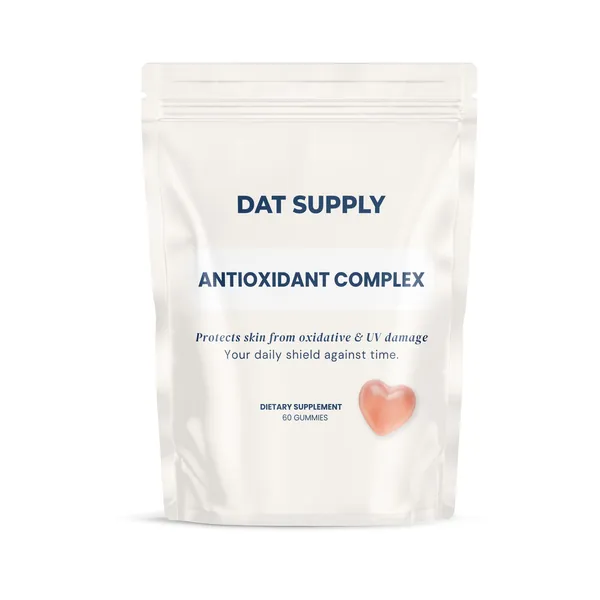
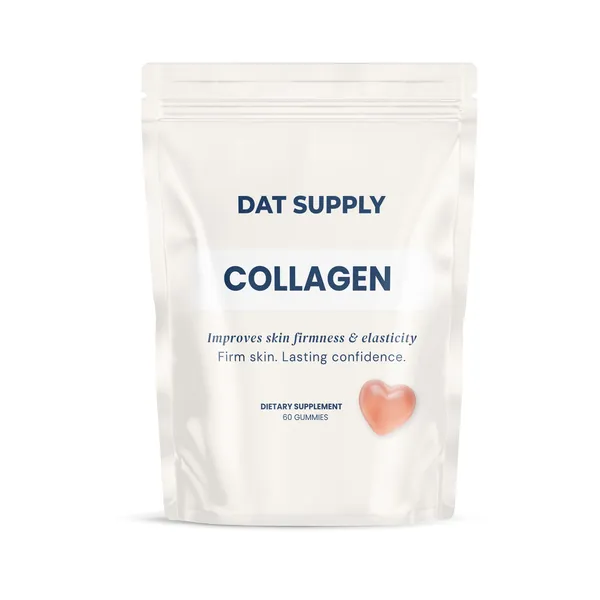
Gummies · Beauty & Skin
Minimum order 1,000 units
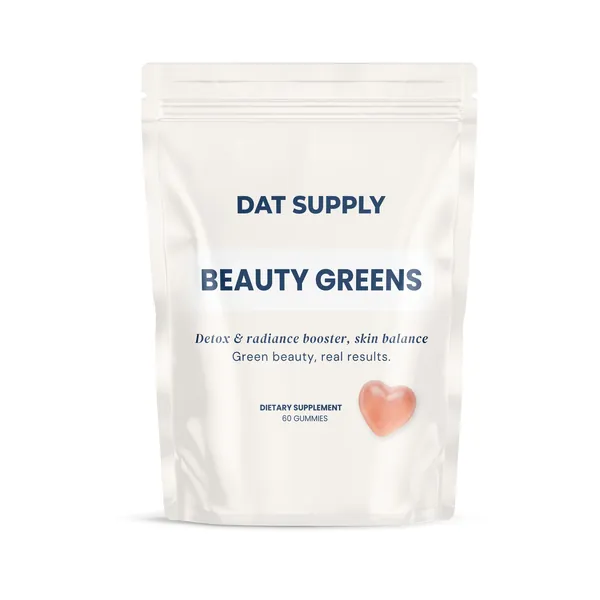
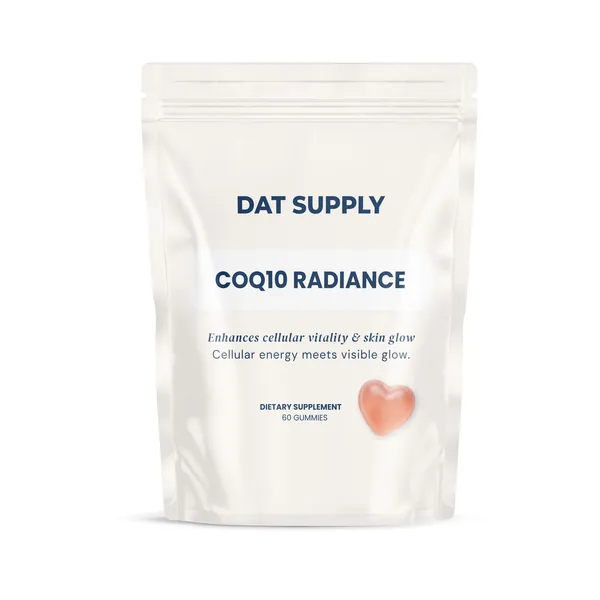
Gummies · Beauty & Skin
Minimum order 1,000 units
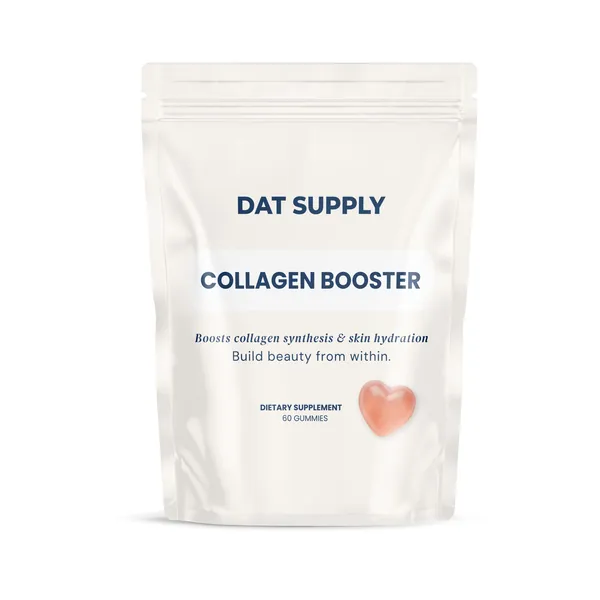
Gummies · Beauty & Skin
Minimum order 1,000 units
From 1,000 units
Sample rounds, packaging artwork and production scheduling are coordinated remotely with each Indiana brand team. Standard production lead time is approximately 8 weeks after formula/specification, artwork and payment are approved. Shipping/transit is additional.
Indiana has Indianapolis as its capital and Indianapolis as its largest commercial city, serving a population of 7 million. Key cities include Indianapolis, Fort Wayne, Evansville, South Bend. The state's distinctive supplement footprint is anchored around the Indianapolis CPG and pharma cluster (Eli Lilly HQ) and the Fort Wayne fulfilment corridor. On the supplement industry signal: Eli Lilly HQ + life-sciences corridor in Indianapolis. Indianapolis is a top US DTC fulfilment market thanks to its central location. For brand owners briefing DAT Supply, Indiana is treated as a US-market launch operating under federal DSHEA rules: the brand owner is the responsible label holder, the product is manufactured under 21 CFR Part 111 quality-managed manufacturing rules, and any state-specific labelling (the most common being California Prop 65) is reviewed at the artwork gate. Logistics typically run through the Indianapolis intermodal complex, which DAT coordinates as part of a single project alongside manufacturing, documentation and ingredient sourcing. Where the brand owner has multi-state ambitions, neighbouring markets are listed in the internal links below for a single artwork project covering the wider region.
Indiana's commercial identity leans on Indianapolis's pharma-and-life-sciences cluster, anchored by Eli Lilly's headquarters, alongside a Fort Wayne fulfilment corridor and a central-US location that makes the state a natural DTC distribution point. For a gummy range, that pairing tends to attract brand owners who expect a more clinical, ingredient-precise tone even in a format as approachable as a gummy, while also benefiting from Indiana's central position for fast replenishment cycles once a range is running.
The regulatory picture doesn't shift with any of that life-sciences context — labelling and claims for an Indiana launch follow the same federal supplement framework as every other state, with compliance ownership for that labelling resting on the brand owner.
A more clinically-minded brand owner tends to gravitate toward the catalogue's precisely-named ingredient positions: berberine, ashwagandha in both standard and the standardised root extract, and a brain mushroom formula built on lion's mane, ginkgo and bacopa extracts all carry the specificity that a pharma-adjacent audience expects. Recovery and performance positions — BCAA and a bone-and-joint formula — extend that precision into a physical-health range, while caffeine focus and adaptogen focus cover the cognitive side without straying from named, verifiable actives. Beauty positions — acne control, anti-aging antioxidant and antioxidant complex — round out a fuller range for a brand looking to extend beyond a single clinical-adjacent SKU.
Each of those positions is a real, currently active gummy SKU rather than a proposed one — useful for an Indiana brand whose audience expects the kind of precision that comes from confirming an actual formula rather than a concept.
An Indiana brand often has both a precision-first ingredient story and a central-location fulfilment advantage to plan around, so the sequence that works is: confirm the ingredient shortlist, sample it, then use the location advantage on replenishment rather than the initial launch.
It often shifts brand owners toward precisely-named ingredient positions — berberine or the standardised ashwagandha ashwagandha extract, for example — rather than more generic wellness framing, since that audience tends to expect ingredient specificity even in a gummy format.
Not production — the sampling-then-manufacture sequence is the same everywhere. The location advantage shows up in replenishment and distribution speed once a range is already running.
No — Indiana follows the same federal labelling and claims framework as every US state, with compliance ownership sitting entirely with the brand owner. There's no added state-level process.
BCAA and a bone-and-joint formula both run in gummy format, giving a recovery-and-performance-positioned range two named, verifiable actives to build around. Ordering samples first is the way to confirm format and flavour direction ahead of a committed production run.
Active ingredients, amounts and claims sit outside Personalization and move into Formula Adaptation; Personalization itself covers flavour, colour and shape only.
Pick a product, choose your quantity and packaging, and see your price — serving brands in Indiana.