Who it's for
Common Delaware brand archetypes: ecommerce holding companies, DTC wellness, private label retail. Active metros include Wilmington, Dover, Newark. Performance and active-lifestyle brands building energy and recovery ranges.
Configure, sample and produce your supplement range in one place.
Delaware hosts many ecommerce holding entities and emerging DTC wellness brands operating along the Mid-Atlantic corridor. Pre-workout, electrolyte, BCAA and creatine formulas for training and recovery ranges. Serving brands in Delaware.

Common Delaware brand archetypes: ecommerce holding companies, DTC wellness, private label retail. Active metros include Wilmington, Dover, Newark. Performance and active-lifestyle brands building energy and recovery ranges.
pre-workout, BCAA, electrolytes, protein
Open a product below, order a sample, then place your order in your DAT Supply account — serving brands in Delaware, including Wilmington.
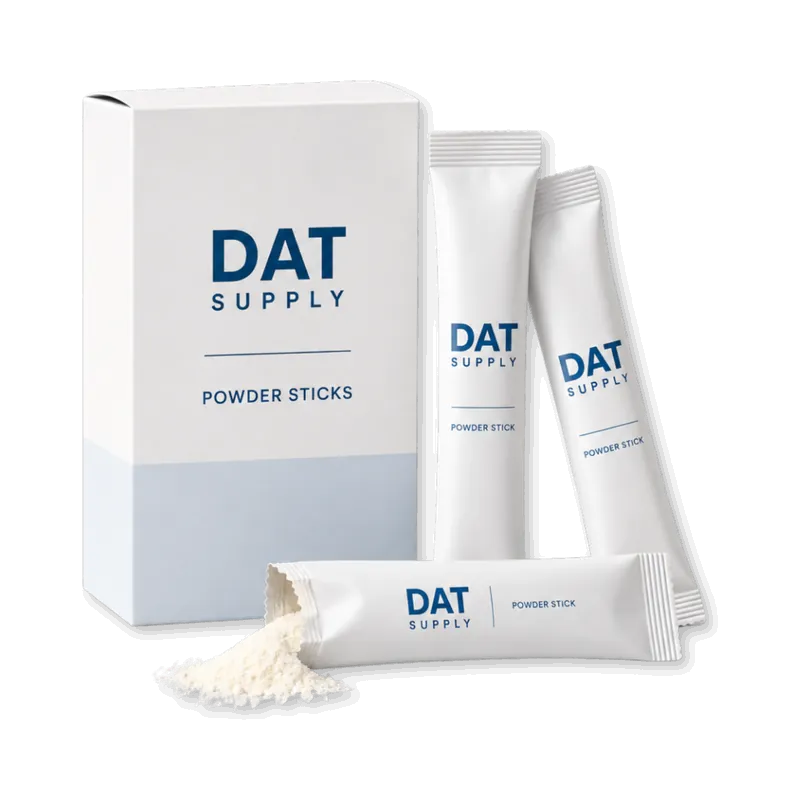
Powder stick · Sports Nutrition
Minimum order 3,000 boxes
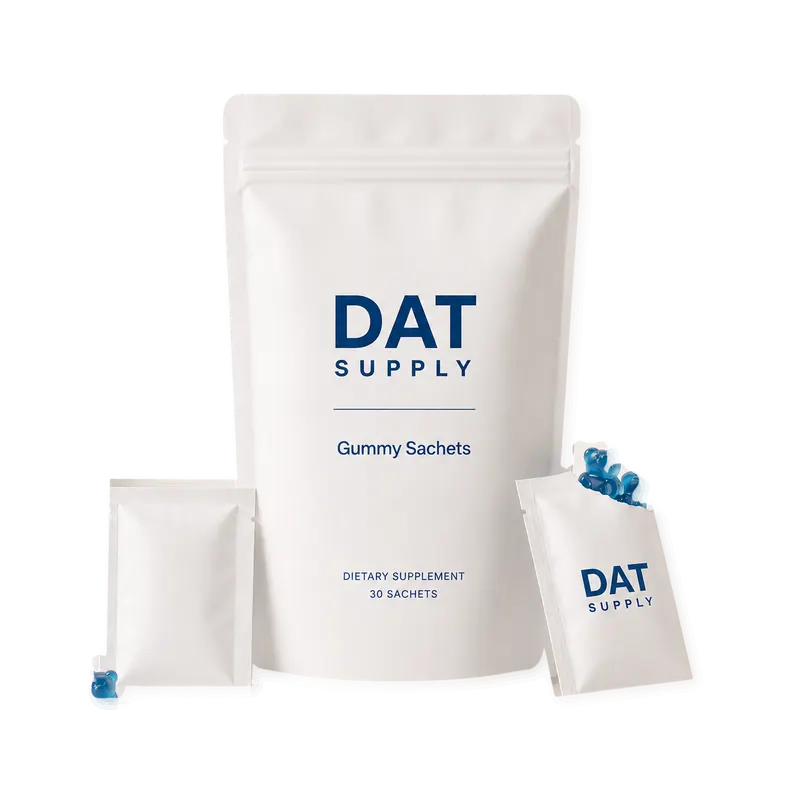
Gummies · Sports Nutrition
Minimum order 1,000 units
Gummies · Sports Nutrition
Minimum order 1,000 units
From 2,500 units
Project documentation, packaging and production timelines are coordinated remotely with brand owners regardless of head-office location. Standard production lead time is approximately 8 weeks after formula/specification, artwork and payment are approved. Shipping/transit is additional.
Choose flavour and pack as you build your product; changing the actives or dose means Formula Adaptation.
DAT releases the standard documentation package by project stage. Independent lab testing is available on request.
Delaware has Dover as its capital and Wilmington as its largest commercial city, serving a population of 1 million. Key cities include Wilmington, Dover, Newark. The state's distinctive supplement footprint is anchored around the Wilmington corporate-domicile cluster (the #1 US LLC and C-corp domicile state). On the supplement industry signal: Delaware C-Corp domicile is the default for DTC brand legal entities. Delaware is the #1 US state for corporate domicile; most public supplement brands are Delaware C-corps. For brand owners briefing DAT Supply, Delaware is treated as a US-market launch operating under federal DSHEA rules: the brand owner is the responsible label holder, the product is manufactured under 21 CFR Part 111 quality-managed manufacturing rules, and any state-specific labelling (the most common being California Prop 65) is reviewed at the artwork gate. Logistics typically run through the Port of Wilmington, which DAT coordinates as part of a single project alongside manufacturing, documentation and ingredient sourcing. Where the brand owner has multi-state ambitions, neighbouring markets are listed in the internal links below for a single artwork project covering the wider region.
Delaware's supplement signal is not a consumer market at all — it is a corporate-domicile one. The state is the number-one US state for LLC and C-corp domicile, and most public supplement brands are Delaware C-corps for that reason, including a meaningful share of venture-backed, DTC-first sports-nutrition startups that never sell a unit inside the state itself.
That distinction is worth stating plainly for a sports-nutrition brand: Delaware incorporation governs the legal entity — cap table, board structure, fundraising mechanics — not where dietary-supplement label claims are regulated. Requirements are reviewed for the target market before production. The brand owner remains responsible for local notification or registration where required.
In practice, a Delaware-incorporated sports-nutrition brand is usually planning a multi-state or national DTC launch rather than a single-state one, which makes the federal claim-substantiation standard the operative one from day one, not a Delaware-specific rule. That distinction is worth spelling out precisely for a legal or investor brief, where 'Delaware' can otherwise get conflated with a regulatory home base it does not actually provide.
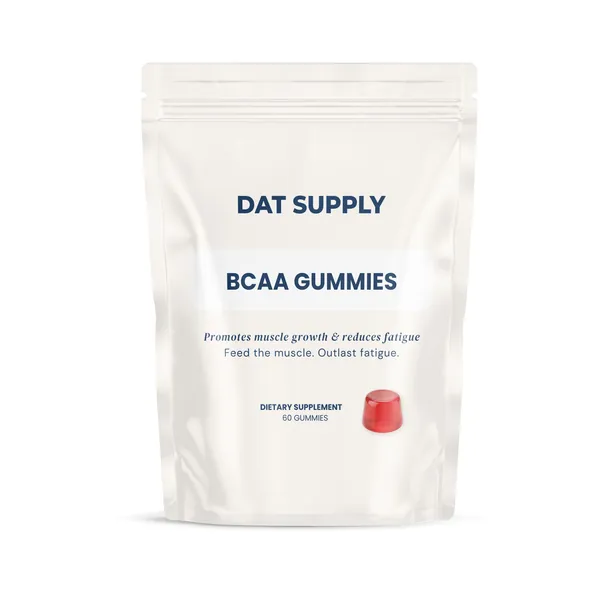
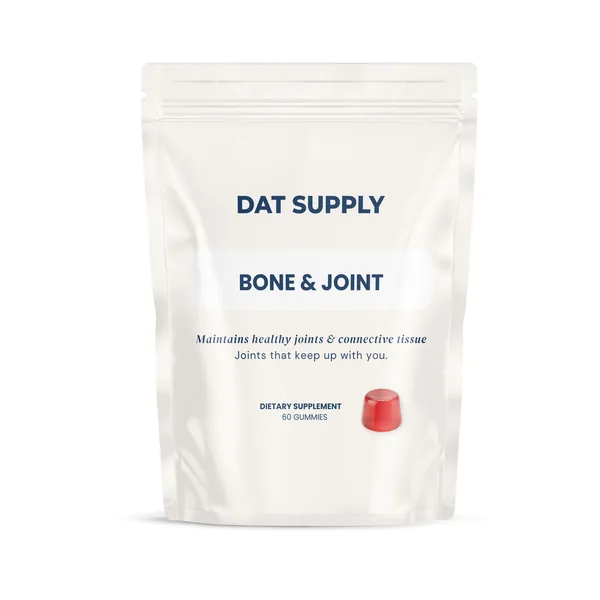
Maca + Ginseng Gummies (panax ginseng extract, maca root extract, pyridoxine hydrochloride) and Shilajit + Ashwagandha + B6 + Folate Gummies (ashwagandha, cyanocobalamin) give an adaptogen-led opening pair, while Red Nitrate Boost Gummies (L-citrulline, beetroot extract, L-arginine HCl, cyanocobalamin) and Diet Aid Gummies (pyridoxine hydrochloride) extend the gummy lane into a nitrate-focused and a metabolic concept respectively.
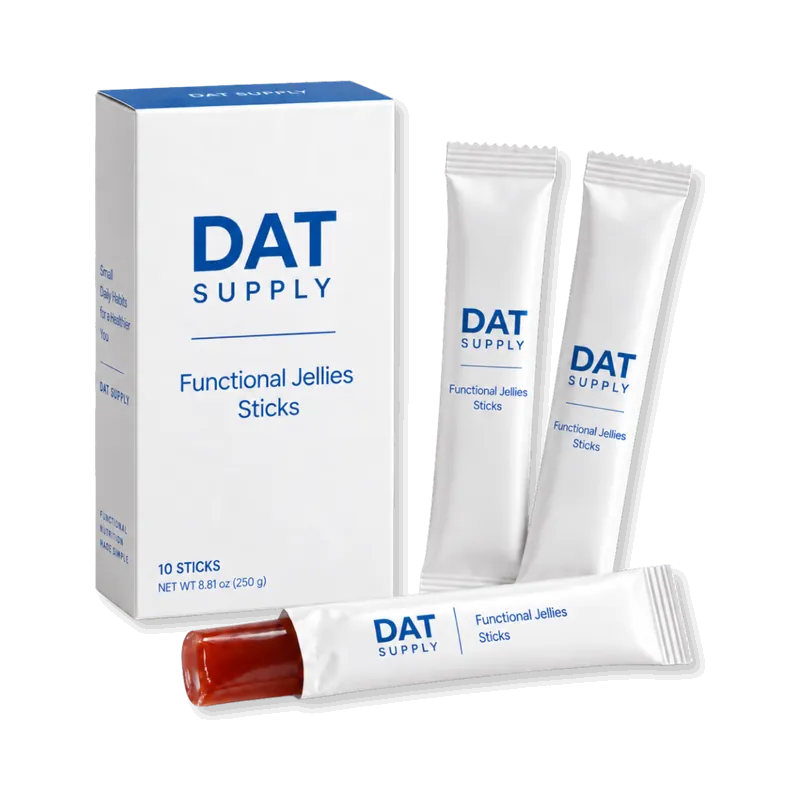
Beetroot Energy Jelly (beetroot extract, vitamin B12) and Amino Recovery BCAA Jelly (vitamin B6) move two of those same active families — nitrate-adjacent and recovery-adjacent — into a functional-jelly stick, giving a Delaware-incorporated brand format range to test before a national DTC launch commits to one.
Across all six SKUs, the active list is the label surface a national claim-substantiation review actually checks — the format is a packaging decision, not a compliance one.
Sample the exact SKUs going into a national DTC launch — a Delaware-incorporated brand rarely tests format fit against a single state's retail environment, so the sample round should reflect the multi-state audience the product will actually reach.
Flavour, colour and shape stay inside Personalization on any of the six SKUs above; changing an active or a performance claim moves a request into Formula Adaptation, which matters more for a nationally-marketed range than a single-market one.
DAT Supply's documentation pack supports the specification and substantiation file a national launch needs, but every performance claim and the market compliance behind it remain the brand owner's responsibility — incorporation state does not change that. Confirming that split early keeps a legal team's incorporation checklist and a formulation team's label-review checklist from getting treated as the same task.
No.
Four adaptogen and nitrate-focused gummies (Maca + Ginseng, Shilajit + Ashwagandha, Red Nitrate Boost, Diet Aid) plus two functional-jelly sticks (Beetroot Energy, Amino Recovery BCAA) — enough format range to test before a national DTC launch commits to one.
No — Delaware's role is corporate domicile, not product regulation. Labelling and claims follow the uniform federal framework the same way as in every other state, with compliance ownership resting with the brand owner regardless of where it is incorporated.
Pick a product, choose your quantity and packaging, and see your price — serving brands in Delaware.