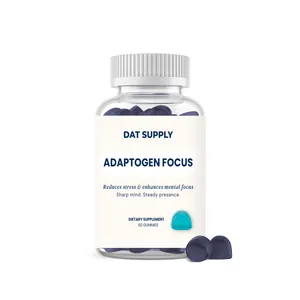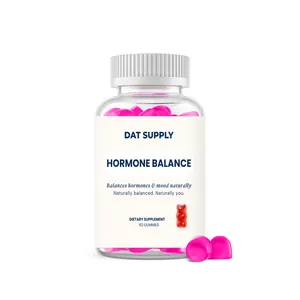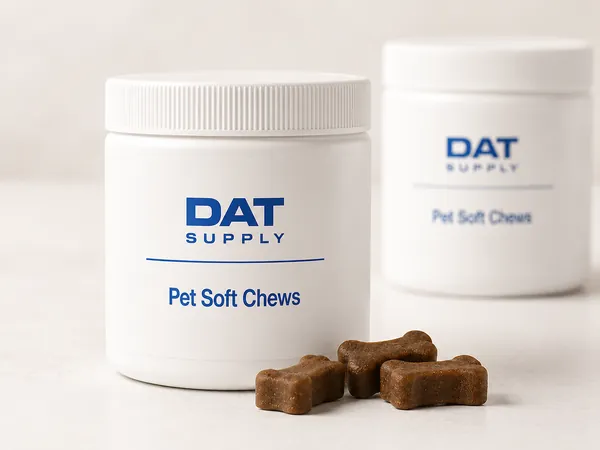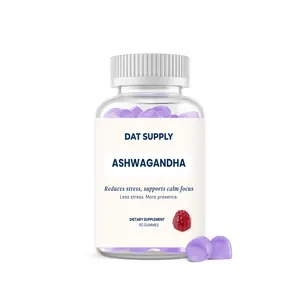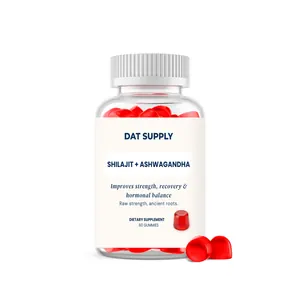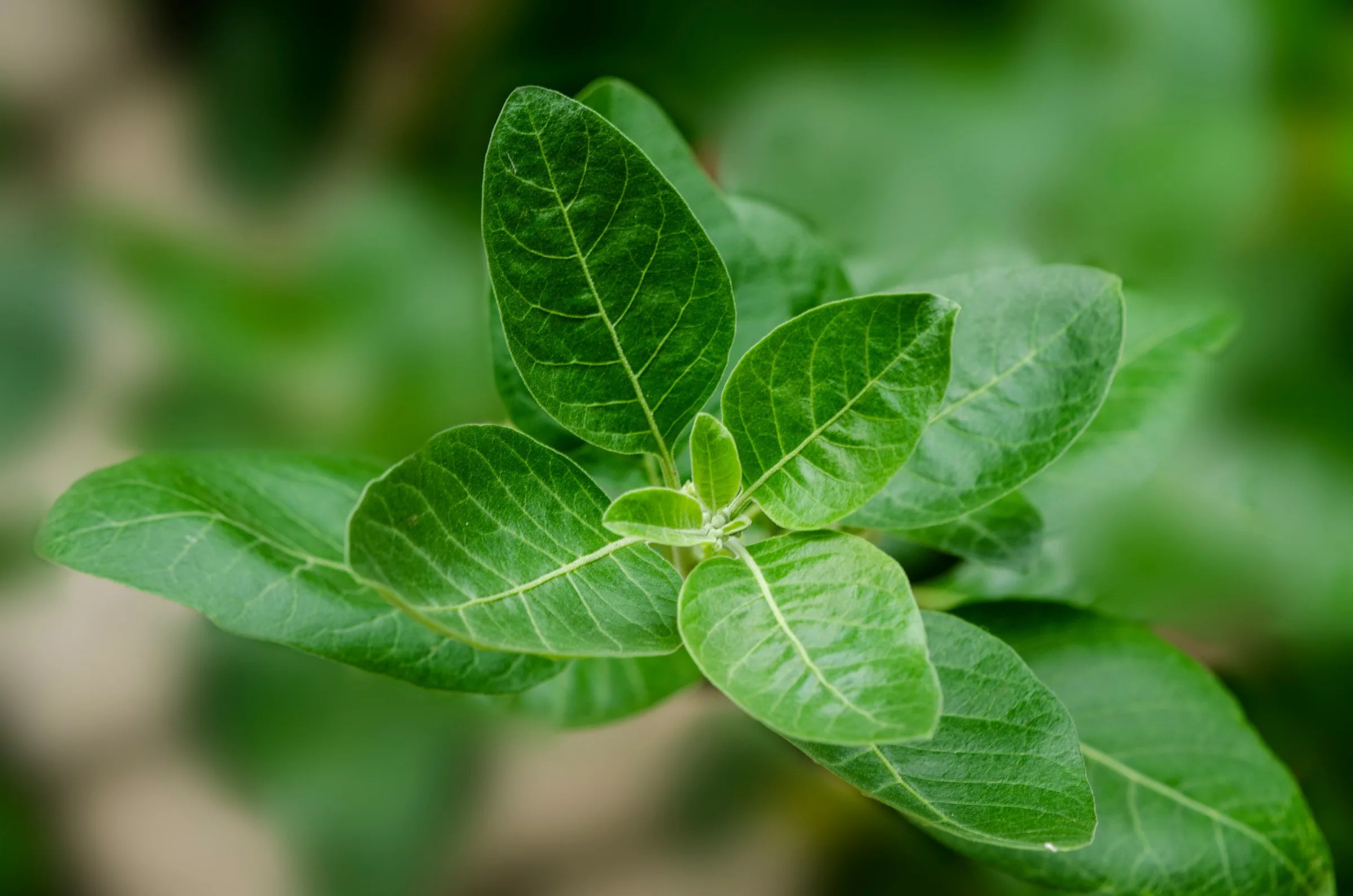
Ashwagandha Extract
Withania somnifera root extract used in stress-management and adaptogen-positioned ranges.
- Type
- Botanical
- Family
- Botanicals
- Measured in
- mg
At a glance
- Format suitability
- Reviewed for gummies and pet soft chews — confirmed per project.
What ashwagandha extract is in this catalogue
Ashwagandha extract — Withania somnifera root — is the catalogue's anchor botanical for stress-management and adaptogen-positioned ranges. It belongs to the Botanicals family and behaves commercially like a category anchor: brands reach for it when a range needs a calm, stress or wind-down story, and it has held that shelf position long enough that an adaptogen range without it reads as incomplete to the buyers who shop the category.
The claim posture matters more here than for most actives. This is a botanical with traditional use, and under EU Regulation 1924/2006 botanical claims are pending — which shapes how a European label gets written. The ingredient carries the range story; the on-pack wording stays inside what each market's rule set allows. That is not a weakness of ashwagandha specifically — it is the operating reality of every botanical sold in the EU, and ranges that plan for it from the first brief write their labels once.
Why brands use Ashwagandha Extract
Ashwagandha Extract is a botanical extract reviewed against the target market’s botanical rules, sitting in the botanicals family. On DAT Supply briefs it is most often considered for Calm/stress gummies and Sleep stacks — the exact positioning is set by the brand brief and reviewed against the target market’s claim rules. Editorially we frame it around Botanical with traditional use; EU 1924/2006 botanical claims are pending, using only EU 432/2012- or DSHEA-compatible wording for the final pack copy. Format-wise we have considered Ashwagandha Extract for gummies and pet soft chew; the per-format formulation notes below describe the live constraints (taste, payload, stability, packaging) we tune in the formulation pass. Sourcing form (extract ratio for botanicals, salt or chelate form for minerals, free-form vs ester for amino acids) is reviewed against the brief, with documentation matched to the target market’s import rules. Inclusion rate and claim wording are reviewed per project — we don’t publish off-the-shelf doses.
How we use Ashwagandha Extract in formulas
A public-safe formulation reference — how this active behaves in our formats, common pairings and handling notes. Final formulation, dose and on-pack copy are confirmed per project.
- Heat stable
- Limited — use coated forms
- Soluble in matrix
- Conditional
- Vegan supply
- Project-specific
EU-authorised health claims
EU-authorised wording for this ingredient is reviewed per project against Reg. 1924/2006 and the authorised list under Reg. 432/2012. No final claim wording is implied by this page.
Botanical actives like Ashwagandha Extract sit in a partially-harmonised EU claims position: most botanical health claims remain on hold (the "on-hold list"), and country-level rules (Italy, France, Spain, Belgium) layer on top with their own positive and negative lists for botanical use. Novel-food status is checked before any brief moves forward, alongside any traditional-use route where it applies. UK rules track EU wording post-Brexit but the GB market follows its own retained list. For the US market, structure-function wording under DSHEA applies, with the FDA disclosure on pack. Pack copy is rewritten per market and reviewed per project.
Authorised at ≥15% NRV per daily serving. Claim wording must appear verbatim on consumer packaging. DAT reviews final pack copy per project against EU 1924/2006 and the authorised list under EU 432/2012.