Private-label supplement manufacturing for brands that take formulation seriously.
White-label, semi-custom and custom routes. Documentation reviewed against your target market at every project gate.
- Reviewed concepts
- 400+
- Launch routes
- 3
- Project gates
- 4
- Pathways
- EU · UK · US
supplements in the reviewed register.
white-label, semi-custom, custom.
brief · spec · artwork · batch release.
reviewed per target-market framework.
Twelve formats. One operating discipline.
Private-label supplement manufacturing across the four format families brands actually launch into. Same documentation gates, same brand-owner-on-pack posture, regardless of format.
-
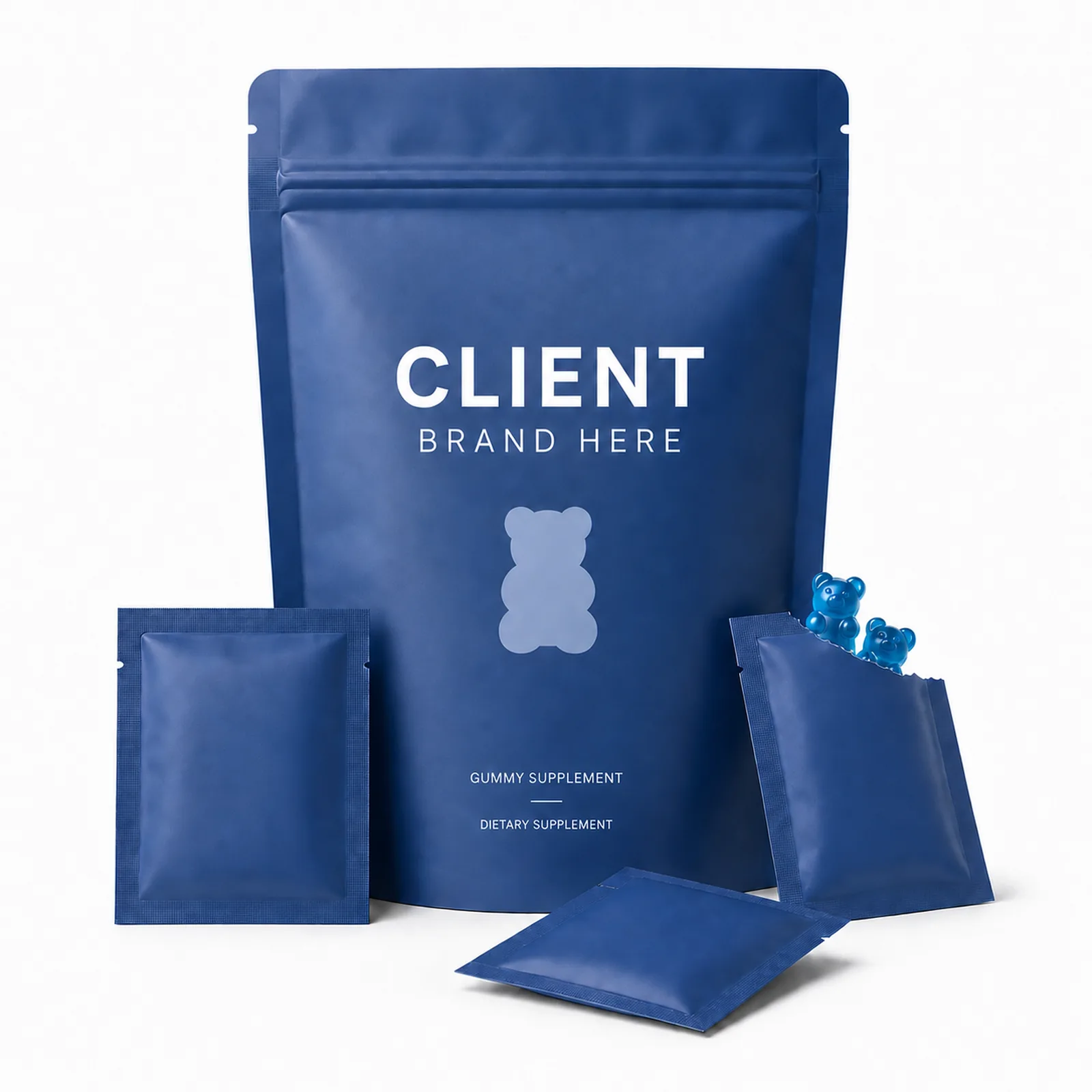
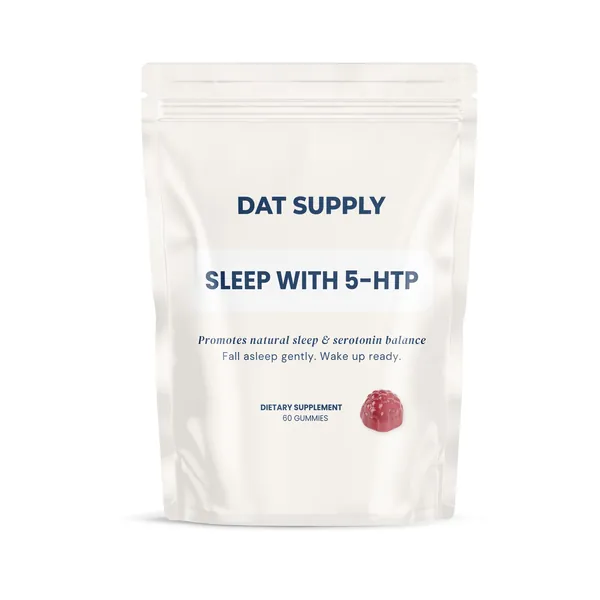
01 · Gummy familyPectin gummies + filled gummies.The mature platform. Pectin base by default, vegan positioning available subject to formula and target-market review.
-
02 · Solid dosageCapsules, softgels, tablets.Engineered routes for clinical and professional positioning. Per-SKU specification, allergen statement and label review move through the standard project gates.
-
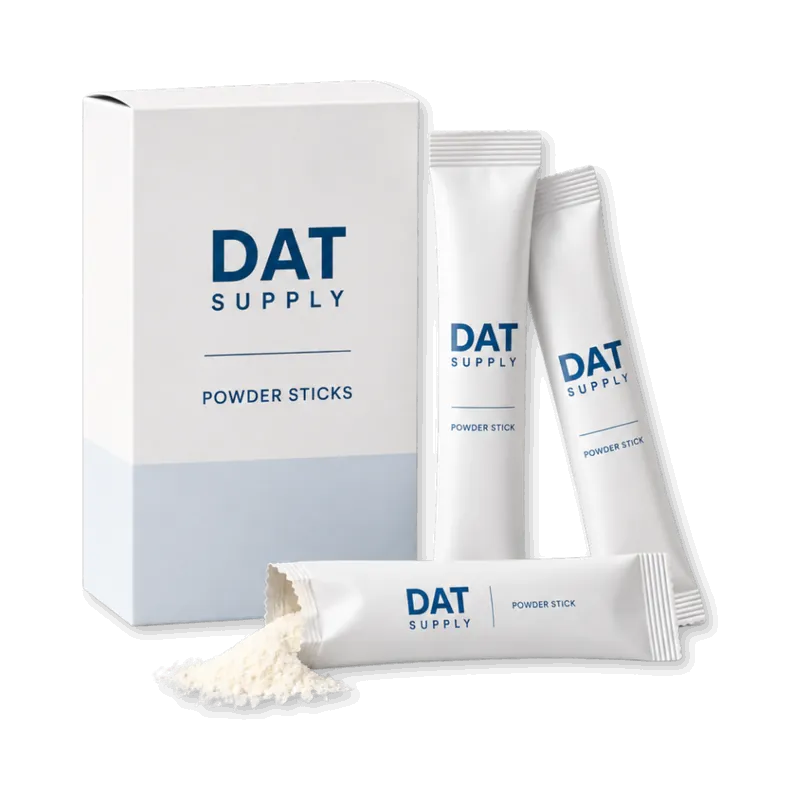
03 · Powder & liquidPowders, drops, oral liquids, shot vials.Daily-wellness and sports formats. Sachet configuration is confirmed per project — gummies per sachet, sachets per unit, film, outer pack and logistics.
-
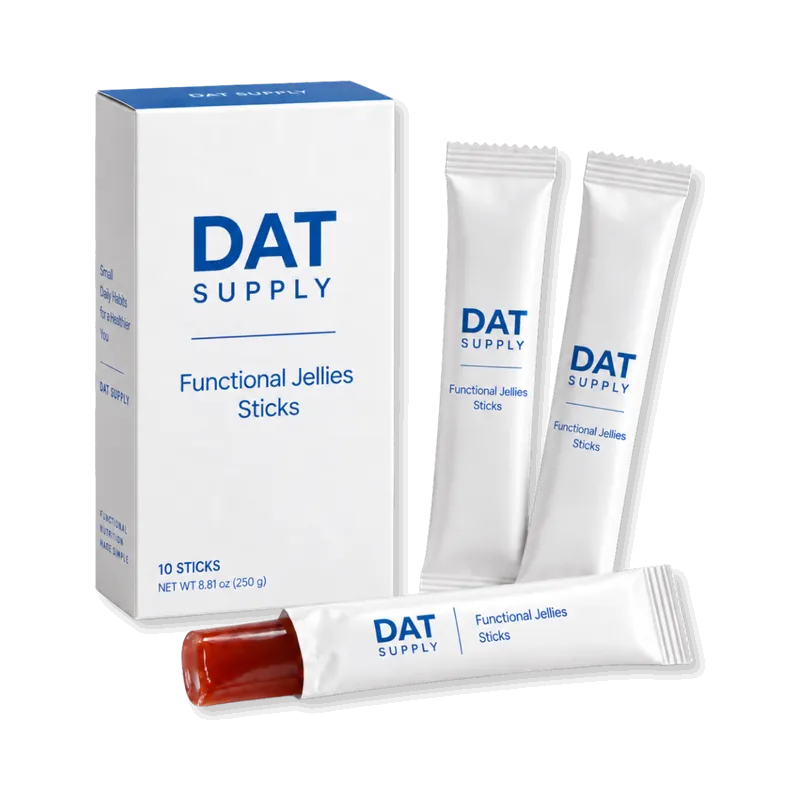
04 · Novel & functionalStrips, jellies, snacks.Format adjacencies for brands that want a memorable shelf moment. Each is project-specific — feasibility is confirmed during the brief.
One operating discipline. Documentation that moves with the project, not against it.
DAT Supply — private-label supplement manufacturing, B2B only.
One operating discipline across every format.
DAT Supply manages supplement launches from formula selection through production, documentation review and batch release. Project-specific documentation and facility details are handled inside the project workflow where required — released to the brand owner per project stage, not as a public list.
-
Format independent of positioning
Gummy, capsule, softgel, powder, sachet — confirmed per project, not bundled.
-
Reviewed concept register
400+ pre-reviewed formulas across 12 formats; semi-custom and bespoke routes for the rest.
-
Documentation by project stage
Specification, label review, packaging and batch-release each move through their own gate.
-
Brand owner remains on pack
DAT is the manufacturing partner; the brand owner stays the food business operator.
Photography, formula and documentation in one project workflow.
Every concept in the library has been through specification, allergen statement and target-market claim review at least once. When a brand picks a concept, the work picks up at the gate that matters next — not at gate zero.
Pick the route that matches the brief.
Every project moves through one of three routes. Final routing is confirmed inside the portal — the route shapes the documentation set and the timeline.
Reviewed concept, brand artwork.
Pick a reviewed concept from the catalogue and adapt brand artwork. The fastest path from brief to launch — packaging, claims and documentation are reviewed against the target market.
- Best for
- First SKU · short timelines
- Lead time
- Confirmed in the quote
Adjusted within an existing matrix.
Adjust dose, flavour or active stack within an existing matrix. Differentiate the SKU without a full custom-development cycle. Documentation route follows the same project gates.
- Best for
- Differentiated SKU · existing brand
- Lead time
- Confirmed in the quote
Bespoke formulation and dieline.
Fully bespoke formulation, custom flavour profile and packaging dieline. The right route for category-defining launches with longer planning windows and committed quantities.
- Best for
- Category-defining launch · committed quantities
- Lead time
- Confirmed in the quote
Brief to released batch
The brief, the formula, the documentation route and the batch release each move through their own gate.
- 01
Brief
Target market, format, quantity, claims direction, timeline.
- 02
Route
White-label, semi-custom or custom — confirmed against the brief.
- 03
Specify
Per-SKU specification + allergen statement drafted, then locked.
- 04
Artwork
Dieline, on-pack copy and claim wording reviewed per market.
- 05
Produce
In-process control plan agreed; production runs through the controlled workflow.
- 06
Release
Batch-release documents are issued after production and QC release.
Three ways into the formulation library.
Start from a reviewed concept, a pre-grouped system, or a single active. Each entry feeds the same project workflow.
400+ reviewed supplement concepts across every format.
Grouped by family and format. White-label, semi-custom and custom — each concept is a working start point, not a finished SKU.
Open product cataloguePre-grouped active stacks with a positioning logic.
Compatible ingredients packaged into commercial launch directions. Read the system, then refine the brief.
Open systems library → Ingredient library137+ actives with format compatibility and dose anchors.
Per-active claim wording reviewed against the target-market framework. The base layer behind every formula.
Open ingredient library →A manufacturing partner — not a marketplace, not a broker.
Two ways to think about a private-label supplement launch. DAT is on the right side of this line.
Marketplace, broker or generic contractor
A list of suppliers behind a portal. Quote on price, swap suppliers mid-project, no shared accountability for formula, label or documentation. The brand owner carries the risk.
Project-managed supplement manufacturing partner
One operating discipline: private-label supplements, reviewed routes, documentation by project stage. The brand owner stays on pack and the project moves through the same gates every time.
One operating discipline. We do not move suppliers mid-project — the brand owner stays on pack and the documentation moves through the same gates every time.
DAT Supply operating manual
Private-label supplement manufacturing
Reviewed against the target-market framework. Every market, every project.
Six anchor markets covered editorially today, ninety-plus reviewable per project. Claim wording, dossier requirements and the notification route are confirmed against the destination market — not assumed from the formula.
- UK 01 / 06Read the launch guide
United Kingdom
UK NHCR + FBO labelling, GB-only positioning reviewed per project.
- DE 02 / 06Read the launch guide
Germany
EU 1924/2006 + BfR positioning, German-language pack review.
- FR 03 / 06Read the launch guide
France
EU 1924/2006 + DGCCRF complément alimentaire dossier.
- ES 04 / 06Read the launch guide
Spain
EU 1924/2006 + AESAN complemento alimenticio notification.
- IT 05 / 06Read the launch guide
Italy
EU 1924/2006 + Ministero della Salute integratore notification.
- NL 06 / 06Read the launch guide
Netherlands
EU 1924/2006 + NVWA voedingssupplement pack and claim review.
Field guides for serious supplement launches.
Private-label launch checklist
Five project gates from concept to launch — gate criteria, MOQ thresholds, claim review stages and the documentation package. Format-independent.
Private-label formulation guide
Dose anchor calculation, ingredient interactions, flavour architecture and the parameters that affect shelf life across reviewed formats.
Read →Launch readiness guide
Project timeline from concept to shelf — gate dependencies, decision points, common delays and how to plan around regulatory and manufacturing cycles.
Read →Frequently asked
Which formats does DAT manufacture?
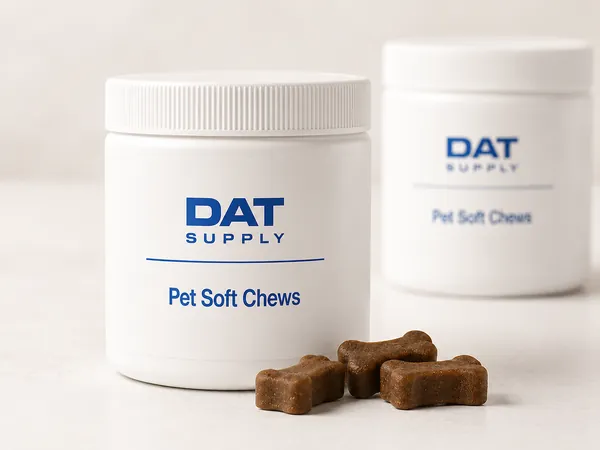
Twelve published formats across four families: gummies and filled gummies; capsules, softgels and tablets; powders, liquid drops, oral liquids, shot vials and sachets; soft chews, oral strips, functional jellies and functional snacks. Pet supplements are surfaced separately.
What working routes can I pick from?
Three: white-label (reviewed concept, brand artwork), semi-custom (adjusted within an existing matrix), and custom (bespoke formulation and dieline). The route is confirmed against the brief during the project review.
Which packaging formats can DAT run?
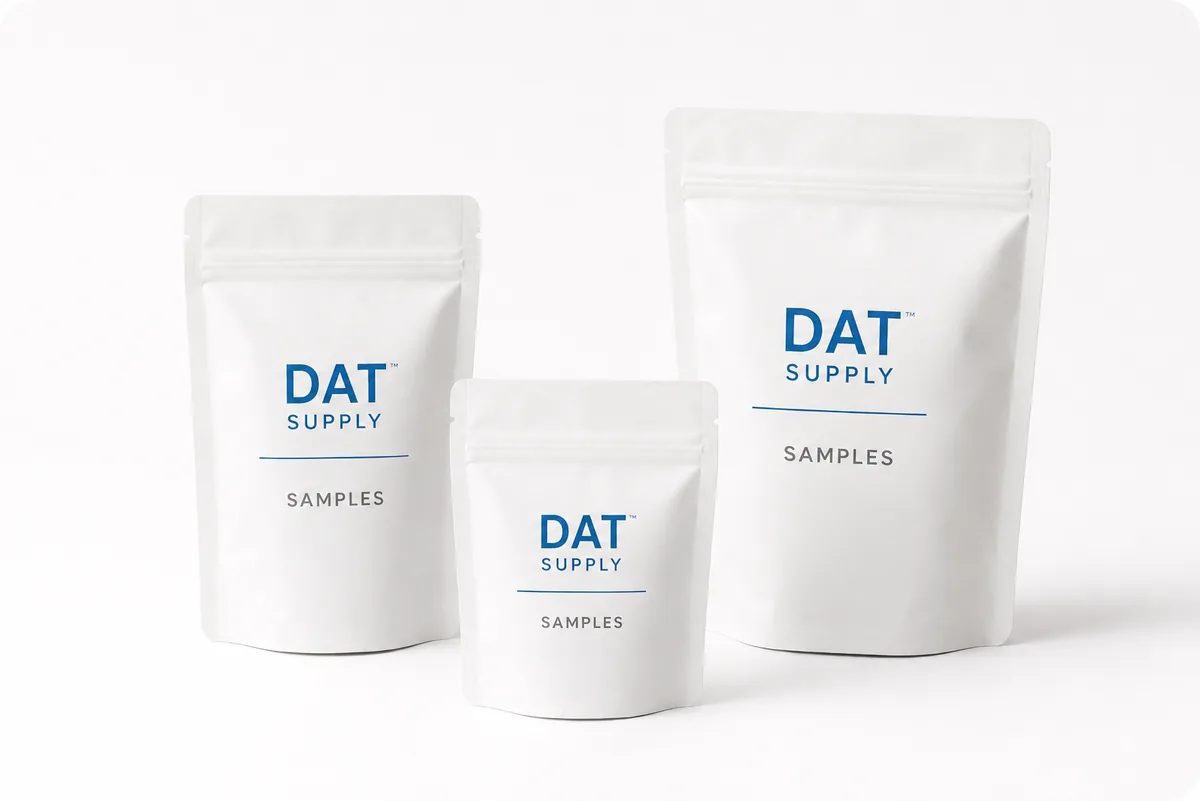
PET bottle, doypack and sachet on the gummy and soft-chew families; blisters, jars and pouches across the solid-dosage and powder families. Format is independent from positioning — the same formula concept can move between packaging types.
How is documentation handled?
Documentation moves through four project gates: brief, specification, artwork / label review, and batch release. Batch-release documents are issued after production and QC release.
Which target markets does DAT support?
Projects scoped against EU, UK and US frameworks today, with country-level claim and dossier review per project. The brand owner remains the food business operator on pack.
How do I start a project?
Open the DAT portal wizard. The wizard takes the brief — target market, format, quantity, claims direction — and routes it through the right project gate. Pricing, MOQ and lead times are confirmed inside the portal.
Ready to brief your launch?
Pick the working route inside the DAT portal — white-label, semi-custom or custom. The wizard takes the brief and routes it through the right project gate.